Building date: About 1838
Original use: Residence
Corner structures: Bricks were substituted for the more customary limestone blocks as quoins.
Mortar application and content:
Types and uses of stones:
Types and choice of windows:
Structures with similar masonry details:
Masons who worked on building: Ralph Lucius Dewey (1818-1863)
Unique features:
Map views courtesy Google Maps. Address is Google Earth confirmed; 42°07'30.91"N 72°44'48.99"W. Current owner of record, Francis Harold as of the 2019 Tax Roll.
Hampden County Maps.
This house at 17 Bartlett Street, Westfield, Massachusetts, may be the eastern-most cobblestone house in the U.S. It was built about 1838 by Ralph Lucius Dewey (1818-1863), a local mason, with water-washed stones gathered from the nearby Westfield River after being dumped there as ballast from canal boats.
The Hampshire & Hampden Canal, which, with the Farmington Canal, linked Westfield to Long Island Sound at New Haven, Connecticut. The canal system was planned as early as 1822, completed in 1835, and operated for a period of 17 years.
Extending as far north as Northampton, passing through Westfield, the water link was a canal four feet deep and some 34 feet wide, extending 87 miles to the sea. The canal was used for both freight and passenger service, and the boats made their way leisurely along the route, pulled by horses. There were 90 locks.
The canal system was abandoned in 1847 because of railroad competition and financial stress. Eight years later, the canal route became a railroad right of way, and a railroad was built along the same route, using the drained canal bed in some places.
Mattie (Boyden) Sizer, the last descendant of Dewey to live there, died in 1960 and the property sold in 1961.
Bricks were substituted for the more customary limestone blocks as quoins. The foundation of the house is slab stone. The stone part of the house measures 24'7" at the front and 33' 5 1/2" at the side. The dining room and kitchen are at the rear. Richard Palmer blog.
"The Little Cobblestone House.pdf", By Quentin Winfield Sizer, Architect, April 15, 1998
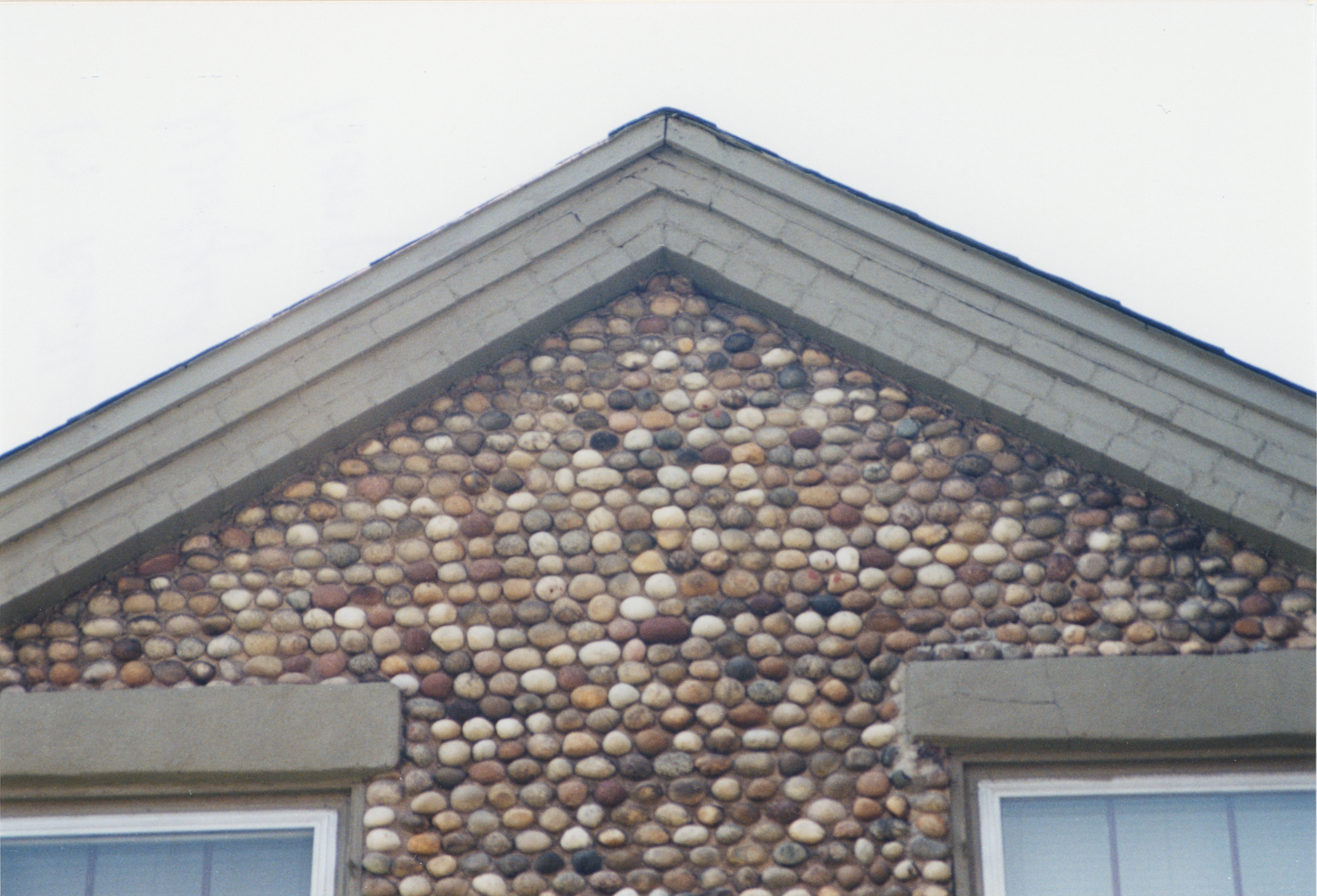 Ham-1 17 Bartlett St 1.jpg ¹ | 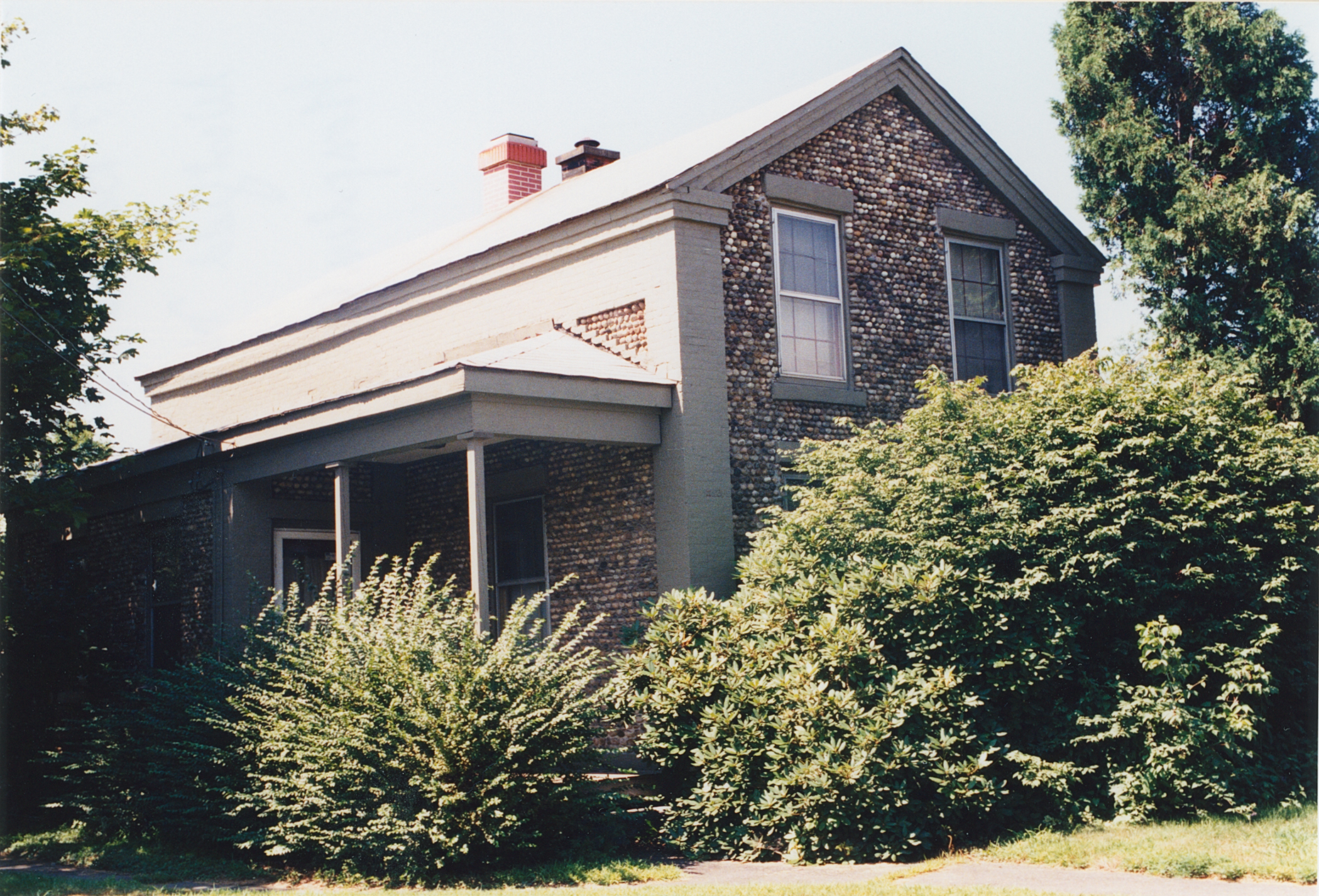 Ham-1 17 Bartlett St 2.jpg ¹ | 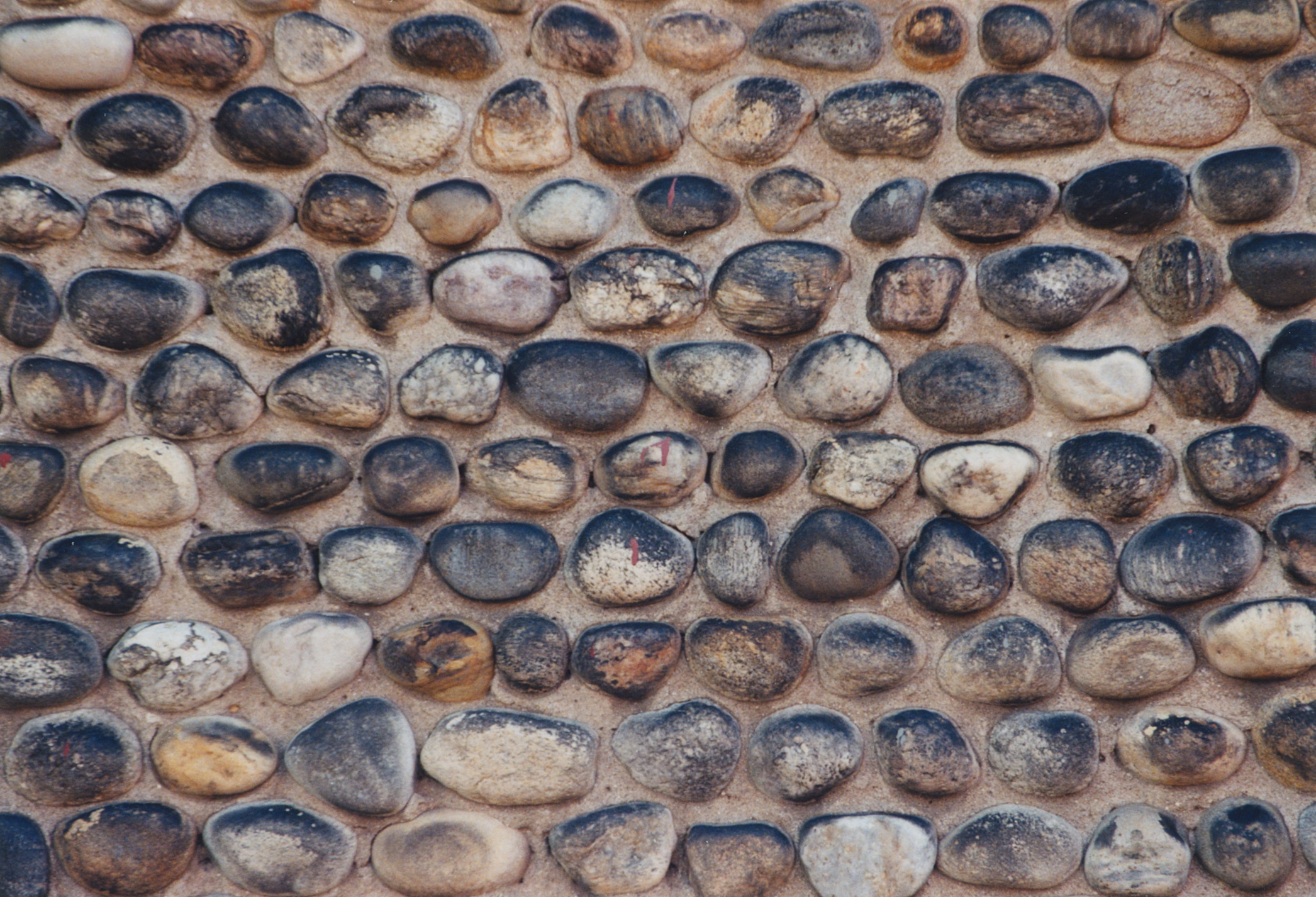 Ham-1 17 Bartlett St 3.jpg ¹ | 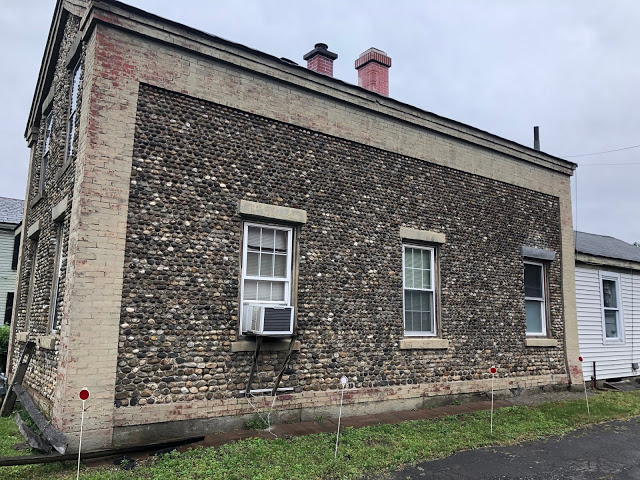 IMG_4051.jpg ² |
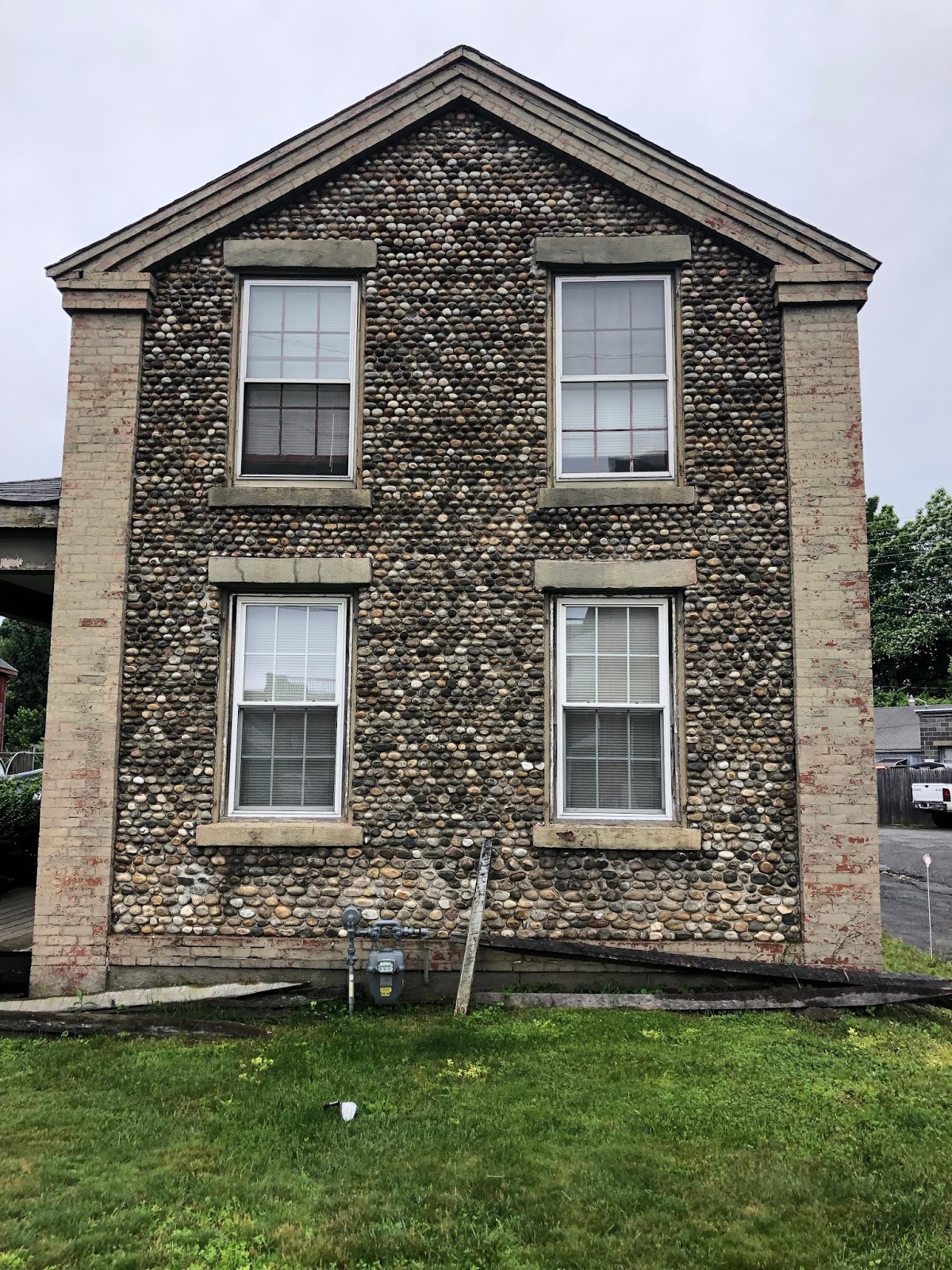 IMG_4053.jpg ² | 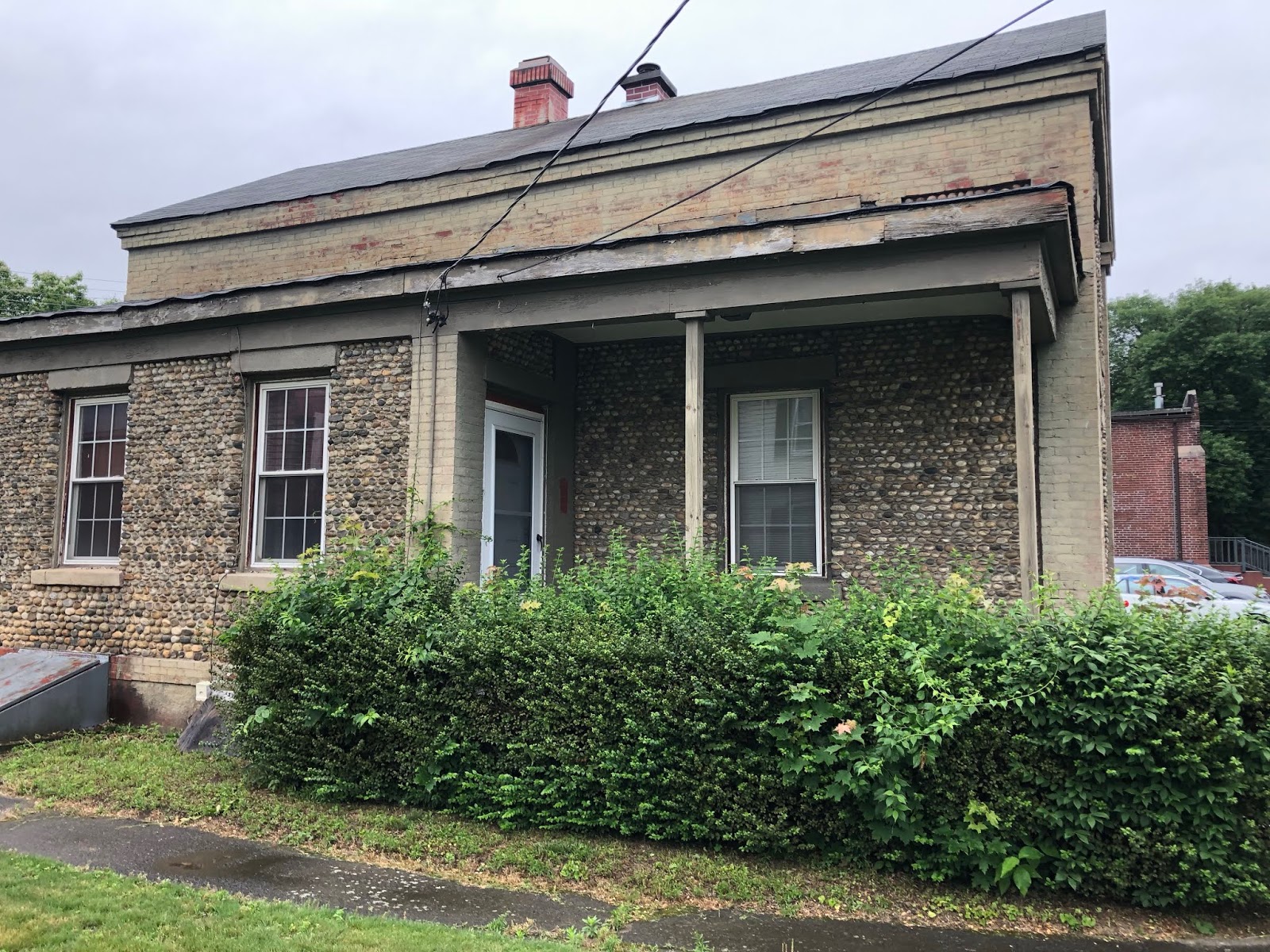 IMG_4056.jpg ² What is now the kitchen area was once the carriage house. | 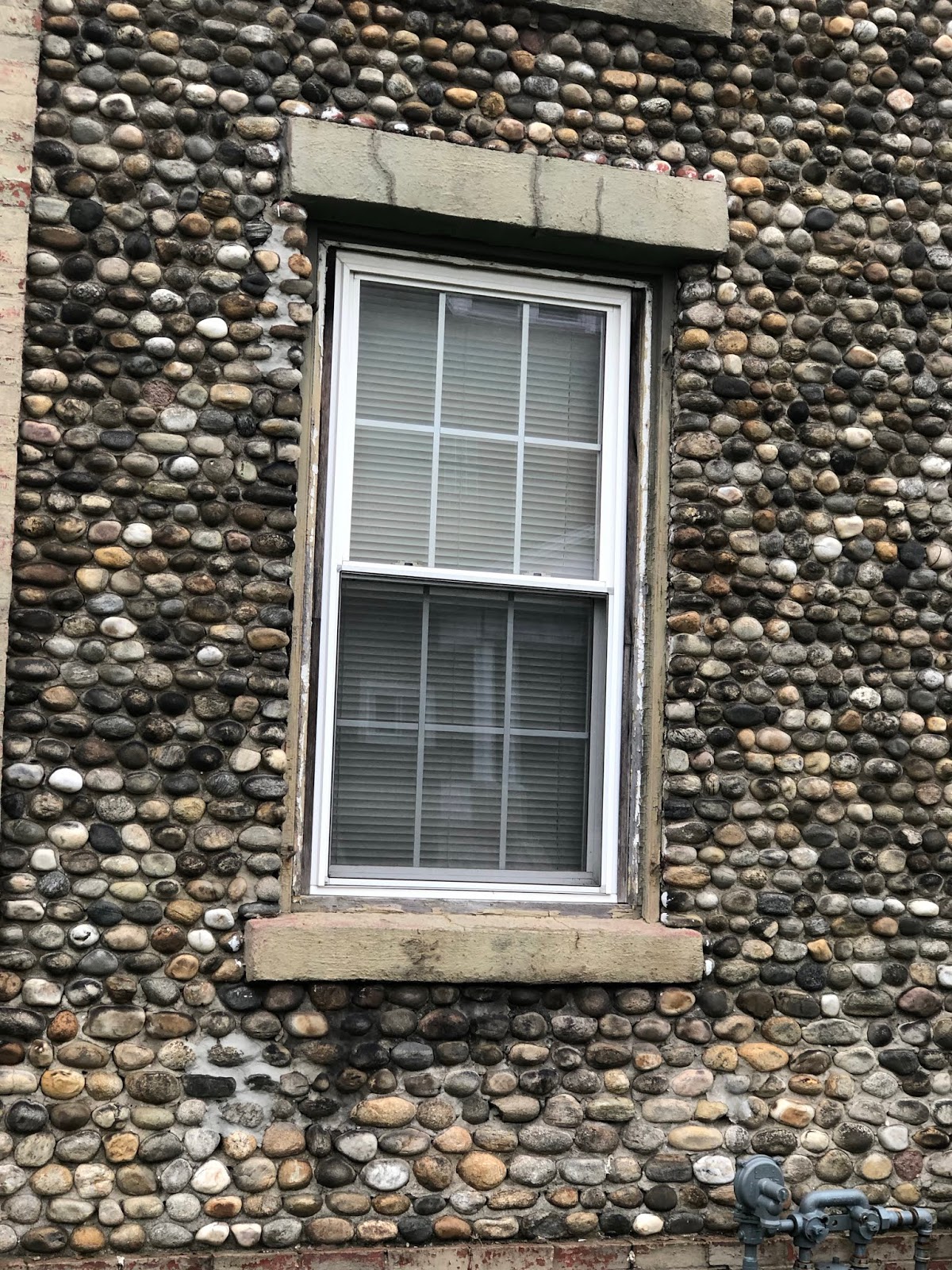 IMG_4057.jpg ² |
¹ Photography courtesy Martin and Sheila Wolfish.
² Photography courtesy Cynthia Gaylord.
